
By Cathy M. Rosenthal
“Dear Cathy,
My dog (a pit bull mix) and I enjoy a long morning walk several days each week. Lately, with temperatures in the 40s, he has been giving me the stink eye about going out. I grew up with Labradors, who love the cold but don’t know when it is too cold for a short-haired dog to be outside or for how long. Thanks for your advice. – Kathleen”
Dear Kathleen,
Dogs, like humans, have varying tolerance levels for cold weather. While temperatures in the 40s are generally considered safe for most dogs, it’s important to recognize that individual preferences and physical traits play a huge role in how dogs respond to chilly conditions.
Like your pit bull mix, short-haired dogs have less insulation than breeds with thicker, double-layered coats, such as Siberian Huskies, Malamutes, and Labradors. This means that what feels brisk and invigorating for a Labrador may feel uncomfortably cold for a dog like yours.
Pay attention to his behavior to determine your dog’s tolerance to cold. While the “stink-eye” is humorous, other signs can indicate discomfort in colder temperatures. These include:
- Shivering or trembling: A clear sign your dog is struggling to maintain his body heat.
- Tucked tail or hunched posture: Dogs may try to minimize exposure by curling up or tucking their tail.
- Walking slower or stiffly: Cold weather can stiffen muscles and worsen arthritis in older dogs.
- Excessive paw licking: This may indicate discomfort from the cold ground, ice, or chemical deicers.
- Reluctance to go outside: If your dog hesitates at the door or tries to retreat, he’s likely not a fan of the cold.
If you notice any of these signs, cutting the walk short and bringing your dog indoors to warm up is best.
When Temperatures Drop
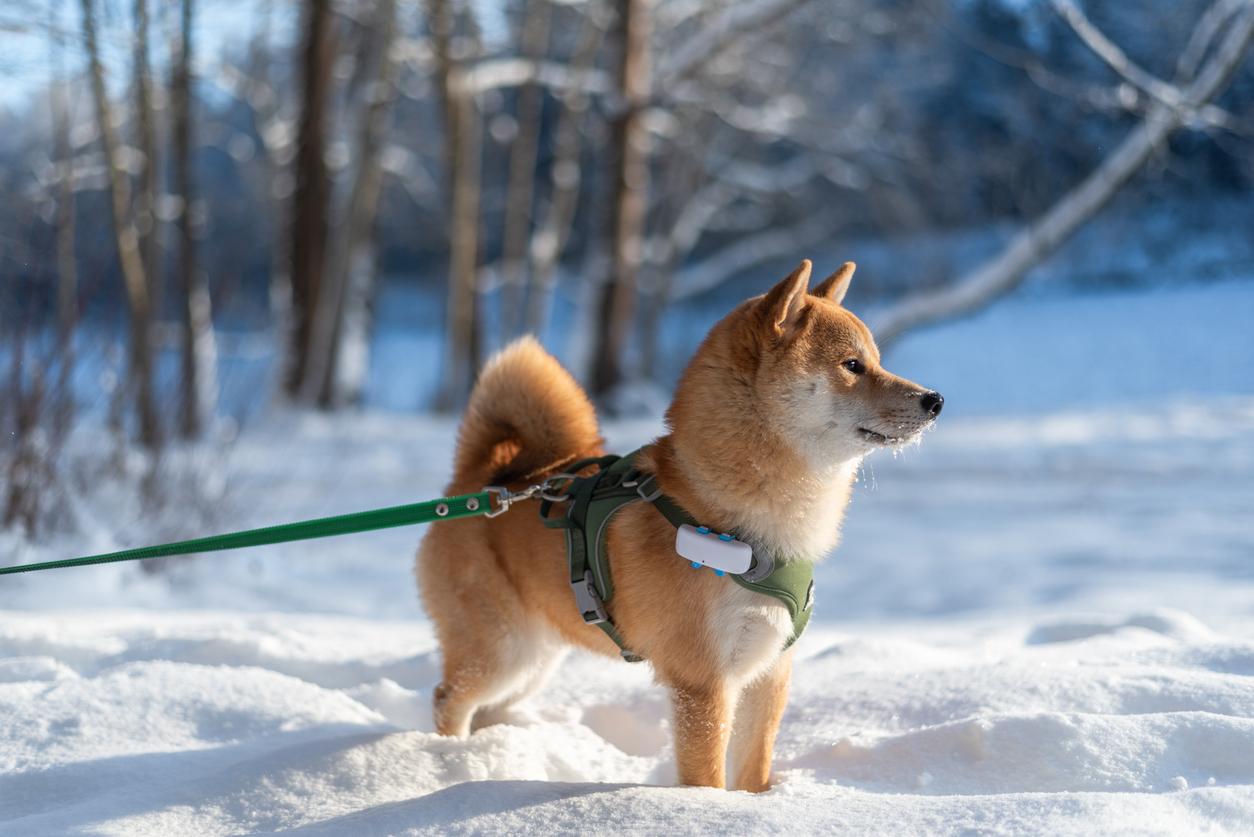
When temperatures dip into the 20s or 30s, you’ll want to limit outdoor exposure for short-haired dogs to 10–15 minutes. Even in the 40s, some dogs may benefit from wearing extra layers. Consider investing in:
- Dog sweaters or jackets: These can provide an additional layer of warmth and comfort during walks.
- Boots: Protect your dog’s paws from freezing ground, ice, or harsh deicing chemicals. Make sure the boots fit well, as ill-fitting boots can cause discomfort or interfere with walking.
- Dog scarves or snoods: These can help keep your dog’s neck and ears warm, especially on windy days.
Most dogs adapt well to wearing clothing if introduced gradually. Start with shorter walks while your dog wears the new gear to help him adjust.

Cold Weather Alternatives
Across the U.S., winter weather varies greatly, so adjust your dog’s routine based on local conditions. On particularly frigid days, when walking outdoors isn’t feasible, consider engaging your dog in indoor activities to burn off energy and keep him mentally stimulated. Puzzle toys, treat-dispensing balls, or interactive games like hide-and-seek can help alleviate boredom and provide exercise. If space allows, indoor fetch or a mini agility course with items like cushions, low stools, or cones can also be a fun way to keep your dog moving.
Snow and Ice Precautions
When snow or ice is on the ground, be mindful of the potential hazards of deicing chemicals. These chemicals can irritate your dog’s paws and may be harmful if ingested during licking. When returning indoors, always wipe your dog’s paws thoroughly with a damp cloth. You can also use a pet-safe paw balm to protect and moisturize their pads.
The Bottom Line
Every dog is different when it comes to cold tolerance. Some short-haired dogs may happily romp in the snow with proper clothing, while others may prefer the warmth of the indoors. By observing your dog’s behavior, adjusting walk times and lengths, and using protective gear, you can ensure your furry friend stays safe and comfortable throughout the colder month
Originally appeared on CathyRosenthal.com | Pets as Gifts: To Give or Not to Give – A More Thoughtful Approach

Leave a Reply