
Dear Cathy,
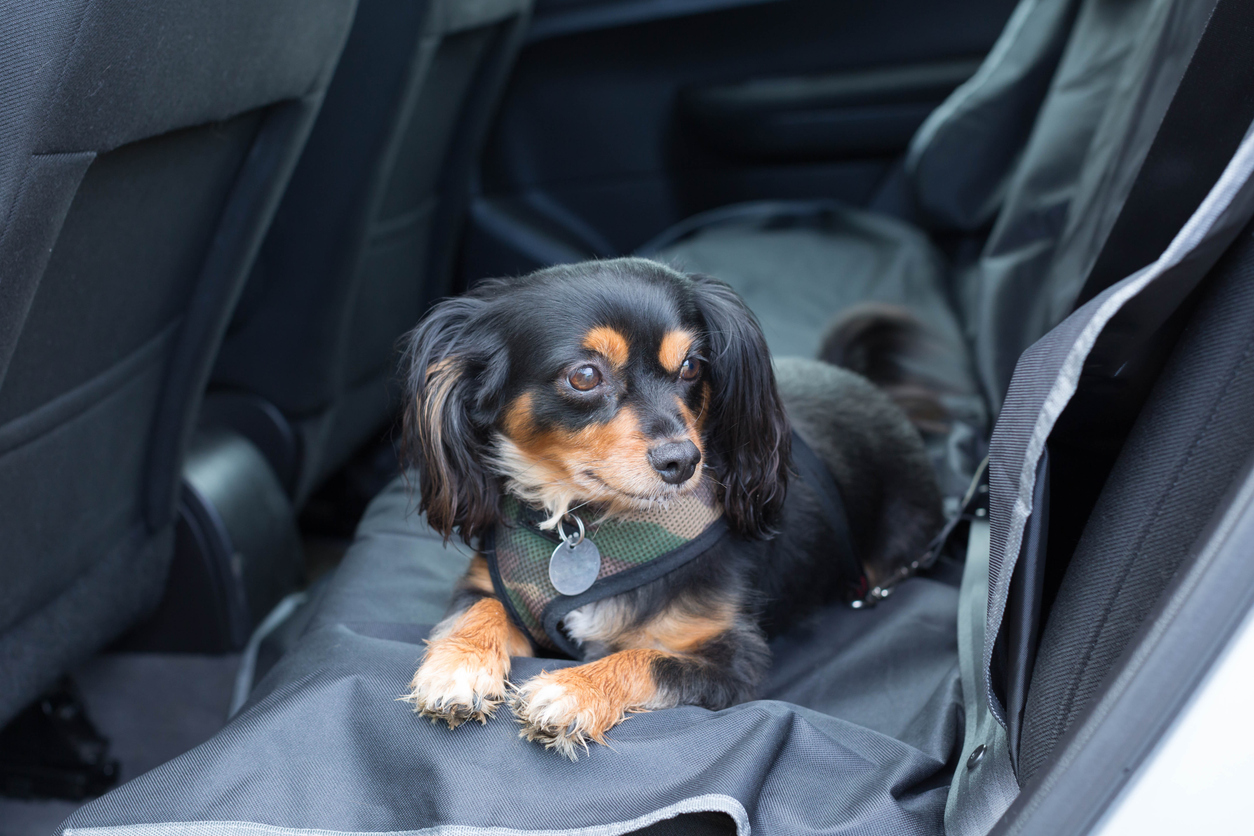
I have a problem with my new puppy. Lazlo is about six-months-old and gets extremely carsick whenever we go anywhere in the car. We have tried not feeding him before we go anywhere, but that hasn’t worked. He still throws up in the car. We don’t want to drug him because we’re taking him to obedience class, and we don’t want him to be groggy. Do you have any suggestions on how to “cure” him of this? Thanks, Jake
Dear Jake,
It’s a common misconception that all dogs love car rides, but like humans, some dogs—especially puppies—can experience motion sickness. In Lazlo’s case, his car sickness is likely a combination of his young age and the fact that his body is still adjusting to new experiences. Fortunately, many dogs grow out of motion sickness as they mature, but it’s important to intervene early so Lazlo doesn’t develop a long-term aversion to car rides.
You’re already on the right track by trying not to feed him before a ride, but there are other steps you can take to help Lazlo feel more comfortable in the car. The goal here is to condition him to feel calm and confident when traveling, while also addressing the physical symptoms of motion sickness.
Conditioning Lazlo for Car Rides
One effective method is gradual desensitization. Start by allowing Lazlo to sit in the car without driving anywhere. Let him explore the space while the engine is off, and offer him praise and treats to create a positive association with being in the car. When he’s calm and relaxed in this environment, after a few days or so, turn on the engine but don’t drive. Keep sessions short—just a few minutes at first—and continue rewarding him with treats or his favorite toy. This method helps him associate the car with positive experiences rather than the nausea he’s experienced in the past.
As Lazlo becomes more comfortable, you can begin taking short drives—no longer than five to ten minutes—to places he enjoys, like the dog park or a family member’s house. Keep these trips positive and fun, and always be mindful of his comfort level. If you notice any signs of distress, take a step back and go slower with the desensitization process.
Managing Motion Sickness Symptoms
For some dogs, conditioning alone may not be enough to alleviate their motion sickness. Thankfully, there are over-the-counter travel supplements specifically designed for dogs. These are available in the form of chews, tablets, or even calming sprays, which can help reduce nausea and anxiety. Try giving Lazlo one of these supplements as directed before a trip, and observe if it helps ease his symptoms.
In addition to supplements, there are a few practical steps you can take to make car rides more comfortable for him. Lowering the windows slightly allows for better air circulation, which can help reduce nausea. Also, keeping the car cool with air conditioning and making sure Lazlo is seated or restrained so he faces forward (rather than sideways) can also reduce the motion that leads to sickness.
When to Consult Your Vet
If Lazlo’s symptoms persist, even with the use of over-the-counter supplements and desensitization, it’s worth discussing stronger anti-nausea medications with your veterinarian. There are prescription medications available that can be very effective in treating motion sickness without making Lazlo too groggy, so he can still focus during obedience class.
By combining desensitization techniques with supplements or medication, you can help Lazlo become more comfortable in the car and, over time, enjoy traveling with your family. Patience is key, but with consistent effort, most dogs overcome motion sickness and learn to enjoy car rides. Keep up the good work, and I’m confident Lazlo will soon be riding happily alongside you.
Cathy M. Rosenthal is a longtime animal advocate, author, and columnist with more than 35 years in the field of animal welfare. If you are interested in her children’s books, please visit https://cathyrosenthal.com/petpunditpublishing/. Send your pet questions to cathy@petpundit.com.

Leave a Reply